
GOES: Outdoor Health & Safety
GOES DeveloperMedical
3.217.00 Reviews
- Version
- 5.5.2
- Installs
- 10.00K
- Age Rating
- Everyone
Screenshots
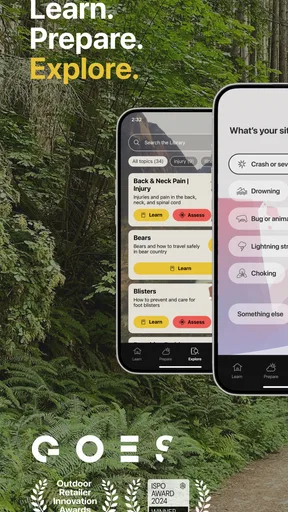
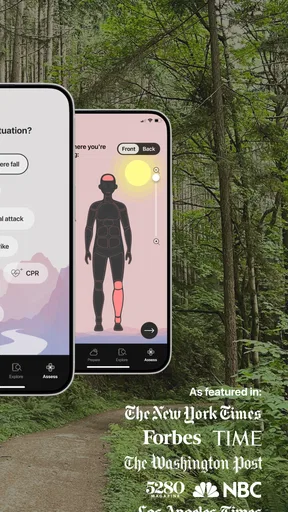
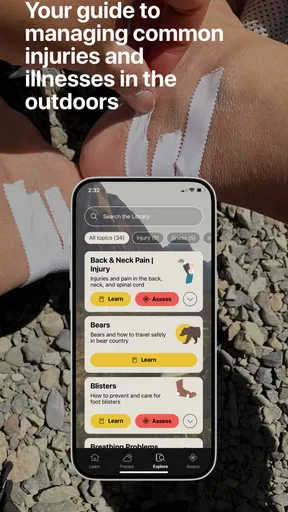
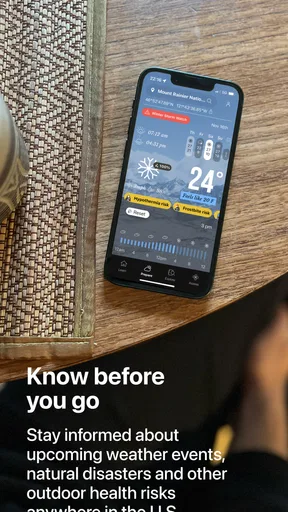
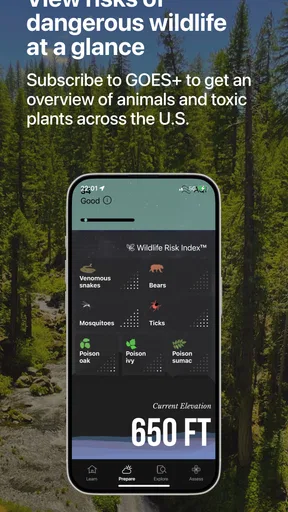
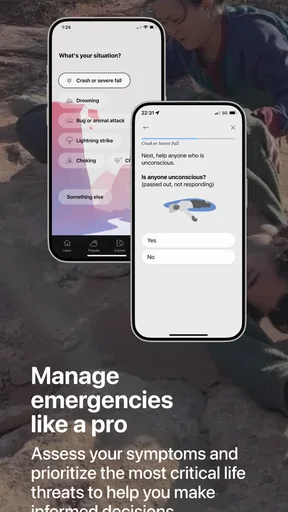
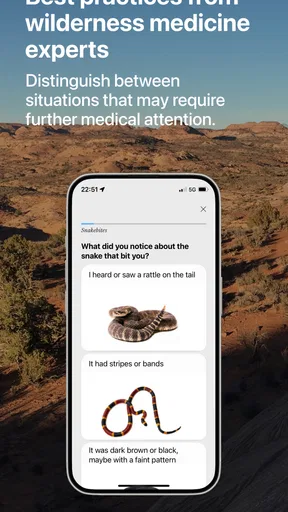
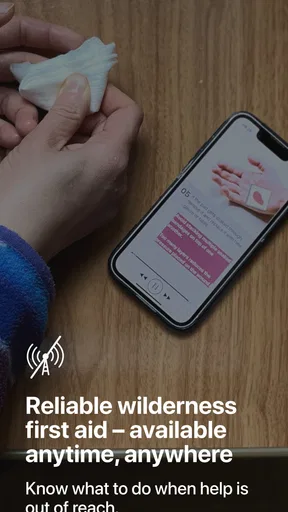
Our Review of GOES: Outdoor Health & Safety
 Analysis by Appyee
I approached GOES: Outdoor Health & Safety as a practical medical app for people who spend time outside and want a compact guide close at hand. Its focus is narrower than a general health encyclopedia, which is exactly why it can be useful: when you are preparing for a hike, checking something during a day outdoors, or trying to think clearly in an uncomfortable situation, a focused reference is easier to use than a huge collection of unrelated medical articles.
The app is free to download, made by GOES Developer, and available for Everyone. It has passed the early experimental stage, with a current version of 5.5.2 and support for Android 7.0 or later. Its average rating sits at 3.2 from around forty-six ratings, with seventeen written reviews, and the app has reached over ten thousand installs. Those figures suggest a small but established audience rather than a universally adopted outdoor standard, so I would treat it as a personal reference tool, not as a replacement for training, professional advice, or emergency services.
How I would use GOES before and during an outdoor day
Before heading out, I’d use GOES in a calm moment to get familiar with the guidance I might need, then keep my plans and emergency contacts accessible through the tools meant for those jobs. During the outing, I’d treat the app as a reference for thinking through a concern—not as a reason to delay getting help when someone’s condition seems serious.
A simple baseline workflow makes the app more useful
My preferred way to use GOES is before leaving, not for the first time after something has already gone wrong. I would open it while packing, browse the relevant health and safety material, and make a mental note of the sections most likely to matter for the planned activity. That small preparation step changes the experience: instead of searching under pressure, I already know where to look.
For a short walk, the workflow can be very light. I would check the app at home, identify the topics connected with the route and weather, and then keep the phone accessible rather than buried in a backpack. For a longer outing, I would spend more time becoming familiar with the organization of the content. A guide is only helpful when you can reach the right information quickly, and familiarity matters more than repeatedly installing another app.
A realistic example would be a warm afternoon on a trail with a friend who is not used to outdoor conditions. If that person becomes dizzy or unusually tired, I would not use GOES to make a dramatic diagnosis. I would use it to organize my thinking, review sensible first-aid and safety steps, and decide whether the situation is beyond what we can handle. If symptoms appear serious, worsen, or involve loss of consciousness, breathing difficulty, severe injury, or confusion, the correct action is to contact emergency help. No phone guide should delay that decision.
This is one of the app’s most important strengths and limitations at the same time. It can put relevant guidance in one place, but it cannot examine a person, understand the full context, or guarantee that a reader interprets a situation correctly. I found it more valuable as a preparation and orientation tool than as an authority for complicated medical decisions.
What the app is best suited to explain
GOES makes the most sense for people who want outdoor health and safety information in a compact app rather than scattered browser searches. Hikers, campers, casual explorers, families planning day trips, and newcomers to outdoor activities are the clearest audience. It can also help someone who already knows basic safety principles but wants a reminder before heading out.
Experienced users may appreciate the app differently from beginners. A beginner might read it from beginning to end, while an experienced walker can use it as a quick refresher before a particular trip. I would not expect it to replace a first-aid course or a specialist wilderness medicine manual. Its value is convenience and accessibility, especially when the alternative is trying to remember everything from a lesson taken months ago.
The Everyone age rating makes it approachable for households, but I would still supervise younger users when the subject involves injury or illness. Clear instructions can be misunderstood, and children may not recognize when an emergency requires an adult. The app can support a conversation about preparation, but it should not become a child’s only safety plan.
Settings and preparation habits worth checking
One practical habit is to inspect the app’s behavior before relying on it outdoors. I would check how quickly the content opens, whether the text is comfortable to read on the phone, and whether the sections I expect to use are easy to find. I would also make sure the device has enough battery and that I know how to reach emergency contacts separately. A guide cannot compensate for a dead phone or a route with no way to call for help.
I would avoid assuming that an outdoor app automatically replaces offline planning. Before leaving, I would save the route information I need through the tools I already use, tell someone where I am going, and carry basic supplies appropriate to the activity. GOES fits into that routine as a health and safety reference. It should not be treated as a navigation system, a weather service, or a guarantee of connectivity.
Another useful preparation step is to read calmly rather than only scanning headings. Medical guidance often depends on sequence and exceptions. If a section describes what to do first, what to avoid, or when to seek help, those details matter. Reading under stress is harder, so I would use a quiet moment at home to become familiar with the style of the app.
Because the app includes optional purchases ranging from $1.99 to $99.99 per item, I would review what is available before assuming the free experience contains everything I want. The app itself is free, but the presence of in-app purchases means I would be careful about tapping purchase controls during setup or while handing the phone to a child. I would decide in advance whether the basic version meets my needs rather than paying impulsively in a stressful moment.
Faster patterns for repeat users
After using GOES a few times, I would build a repeatable routine around the kind of outings I actually take. For a local walk, I might do a brief pre-trip review. For camping, I would spend longer with the relevant material and discuss it with the group. For family outings, I would explain the basics in plain language and make sure everyone knows who carries the phone and who contacts help.
This approach is faster than opening the app randomly every time. The goal is not to memorize every page. It is to connect likely situations with a simple action: prepare before leaving, recognize warning signs, use the guide for orientation, and escalate when the situation is serious. That habit reduces the temptation to scroll endlessly while someone is waiting for help.
I also recommend using the app as a conversation starter. If I am walking with someone inexperienced, I can ask what they would do if a person became unwell, injured a leg, or became disoriented. Then we can check the relevant guidance together. This exposes misunderstandings before they matter. It is a more useful pattern than silently assuming that everyone in the group has the same knowledge.
For repeat trips, I would keep the app in the same place on the phone and avoid filling the device with several overlapping guides. The advantage of GOES is reduced friction: one focused resource is easier to remember than a collection of apps with similar promises. At the same time, I would keep emergency numbers, route details, and any personal medical information available through the appropriate separate tools. Combining resources is sensible; expecting one app to do everything is not.
The most effective shortcut is preparation, not frantic searching. That sounds obvious, but it is the difference between using GOES as a calm reference and treating it like a last-second rescue button. I would open it before the activity, identify the useful areas, and then use it only when a question genuinely comes up.
Where the app falls short
The 3.2 average rating tells me to keep expectations measured. GOES may be useful, but it is not polished enough to assume that every reader will find the experience effortless. A small app audience also means I would be cautious about treating it as the definitive outdoor health resource. Its presence on a phone is convenient, but convenience is not the same as completeness.
The biggest limitation is the natural limit of app-based guidance. Outdoor incidents are messy. A person may have several symptoms at once, the weather may change, the group may be far from assistance, and the user may be frightened or physically exhausted. Written guidance cannot ask follow-up questions in the way a trained professional can. If the situation is severe or unclear, I would prioritize emergency services and qualified medical help over continuing to browse.
I would also skip GOES as my main choice if I needed detailed expedition-level planning, advanced wilderness medicine education, or a fully integrated navigation and communication system. A dedicated first-aid course is better for building practical skills. A navigation app is better for route planning. A local emergency service or official authority is better for current warnings and rescue information. GOES can sit alongside those tools, but it should not be forced into roles it was not designed to fill.
Another trade-off is the need to manage purchases thoughtfully. Some users will be comfortable exploring optional content, while others will prefer a completely free reference with no purchase decisions. Since items can cost as much as $99.99, I would not hand the phone to a child or inexperienced user without checking the purchase setup first. That does not make the app unusable, but it does add a practical step for families.
The app’s Android requirement is fairly broad, supporting devices from Android 7.0 onward, which helps people with older phones. Still, an older device may have its own battery, storage, or performance problems. I would test GOES on the actual phone I plan to carry, especially before a remote trip. The right question is not only whether the app installs, but whether it opens quickly and remains readable when I am outdoors.
Who should install it and who should choose something else
I would recommend GOES to someone who wants a focused outdoor health and safety companion and is willing to use it as one part of a wider preparation routine. It is especially suitable for casual hikers, campers, parents organizing simple outings, and people who want a refresher without carrying a paper manual.
I would be more cautious recommending it to a person who expects precise diagnosis, live emergency support, professional-level medical instruction, or complete offline expedition planning. That user would be better served by formal training and specialized tools. Someone who dislikes in-app purchases should also inspect the app carefully before committing to it as a primary reference.
For me, the deciding factor is how I plan to use it. If I want a compact guide to consult before and during ordinary outdoor activities, GOES has a clear purpose. If I need a single application to handle maps, weather, messaging, rescue coordination, and medical decision-making, it is not the right choice. The app works best when its role is kept specific.
My final assessment after building a repeatable routine
GOES: Outdoor Health & Safety is a practical free medical app with a sensible place in an outdoor kit, provided I treat it as guidance rather than a guarantee. I like the idea of having focused safety material available without searching the web, and the app is easiest to appreciate when I review it before leaving, learn its organization, and combine it with ordinary preparation.
Its modest rating and optional purchases make me recommend a test-first approach. Install GOES: Outdoor Health & Safety, explore the free experience, check whether the presentation suits you, and decide whether it fits your trips before depending on it. I would also verify that the phone is charged and that my emergency plan exists outside the app.
My verdict is cautiously positive for everyday outdoor use. The app is not a substitute for training, professional care, navigation, or emergency response, and experienced users should recognize those boundaries immediately. But as a compact reminder that encourages better preparation, it can earn a place on the phone of a careful walker or camper. Use it to prepare earlier, decide more calmly, and know when the situation has moved beyond what an app can safely handle.
Verdict
Strengths of GOES: Outdoor Health & Safety
- Official weather alerts help users prepare for severe conditions.
- Useful outdoor safety information is available in one centralized app.
- Supports trip planning with conditions relevant to outdoor activities.
- Can improve awareness of environmental risks while traveling.
- Designed for hikers, campers, and other outdoor enthusiasts.
Limitations of GOES: Outdoor Health & Safety
- Some features may depend on location and regional data availability.
- Weather and hazard information can change quickly in remote areas.
- The app may require location access for its safety functions.
- Limited connectivity can reduce the usefulness of live updates.
- Frequent alerts may feel excessive when monitoring multiple risks.
Similar Picks in This Category
View All
WebMD: Symptom Checker
WebMD, LLC4.1

Microphone Amplifier
DOSA Apps4.2

Anatomy Learning - 3D Anatomy
3D Medical OU4.5

Period Tracker and Calendar
SimpleInnovation4.9

GoodRx: Prescription Coupons
GoodRx4.8

CVS Health
CVS Pharmacy4.5
Frequently Asked Questions
What is GOES: Outdoor Health & Safety, and who is it designed for?
GOES: Outdoor Health & Safety is an outdoor-focused safety and health app designed to support people during activities such as hiking, camping, climbing, skiing, and other adventures away from immediate medical assistance. It is useful for beginners and experienced outdoor enthusiasts who want quick access to safety guidance, preparedness information, and practical resources while exploring remote or unfamiliar areas.
Does GOES replace professional medical advice or emergency services?
No. GOES should be viewed as a supplementary safety resource rather than a replacement for trained medical professionals, emergency responders, or formal first-aid education. The app may help users recognize risks and respond more confidently, but serious injuries, life-threatening symptoms, or dangerous situations require contacting local emergency services as soon as possible and following instructions from qualified professionals.
Can I use GOES without an internet connection?
Offline availability may depend on the specific feature, content, and version of the application. Before leaving home, users should open the app, review the information they may need, and check whether relevant resources are accessible without mobile data or Wi-Fi. This is especially important in remote areas, where weak coverage, battery limitations, or changing weather can prevent reliable online access.
What outdoor activities and safety situations does the app cover?
GOES is intended to provide useful support across a range of outdoor situations, including common health concerns, injuries, environmental hazards, and general trip-safety preparation. The exact topics can vary with app updates, but users should explore the available sections before downloading or relying on it for a particular activity. Specialized adventures may still require professional training and dedicated equipment.
Is GOES suitable for children, families, and group adventures?
GOES can be a helpful reference for families and groups planning outdoor activities, particularly when adults use it to prepare for common risks and discuss emergency procedures. However, children should not be expected to manage serious situations independently, and the app’s guidance should always be adapted to their age and abilities. Adults remain responsible for supervision, planning, equipment, and emergency decisions.
